The Aspen Acres Fire Impact on Communities and Essential Resources for Rebuilding
The Aspen Acres fire has left a deep mark on the surrounding communities, disrupting lives and damaging homes and infrastructure. As the flames have subsided, the focus now shifts to recovery and rebuilding. Understanding the fire’s impact and the resources needed to restore these towns is crucial for residents, local leaders, and aid organizations working together to rebuild stronger and safer communities.

How the Aspen Acres Fire Affected Local Communities
The fire spread rapidly through Aspen Acres and nearby towns, fueled by dry conditions and strong winds. Many homes were destroyed or severely damaged, leaving families displaced. Beyond physical damage, the fire disrupted daily life in several ways:
Evacuations and displacement: Thousands of residents had to leave their homes quickly, often with little notice. Temporary shelters became essential for those displaced.
Loss of utilities: Power lines and water systems suffered damage, causing outages that lasted days or weeks in some areas.
Environmental damage: The fire scorched forests and grasslands, increasing the risk of erosion and flooding during rains.
Economic impact: Local businesses faced closures or losses due to fire damage and reduced customer access.
These effects combined to create a challenging environment for recovery. Communities now face the task of rebuilding homes, restoring services, and healing from the trauma caused by the fire.
Key Resources Needed for Rebuilding
Rebuilding after a wildfire requires a coordinated effort and a variety of resources. Here are some of the most critical needs for Aspen Acres and its neighboring towns:
Housing and Shelter
Many families lost their homes or cannot return until repairs are complete. Immediate and long-term housing solutions include:
Temporary shelters and rental assistance programs
Funding for home repairs and rebuilding
Support for affordable housing development to prevent displacement
Infrastructure Repair
Restoring essential services is a priority. This involves:
Repairing power lines, water systems, and roads damaged by the fire
Upgrading infrastructure to be more fire-resistant and resilient
Clearing debris and ensuring safe access for residents and emergency responders
Financial and Legal Assistance
Residents and businesses often need help navigating insurance claims, grants, and loans. Resources include:
Guidance on applying for federal and state disaster relief funds
Legal aid for insurance disputes or property issues
Financial counseling to manage rebuilding costs and personal budgets
Mental Health and Community Support
The emotional toll of the fire can be significant. Communities benefit from:
Counseling services and support groups for trauma and stress
Community events to rebuild social connections and morale
Outreach programs to assist vulnerable populations, such as seniors and children
Environmental Restoration
Rebuilding also means restoring the natural environment to prevent future disasters:
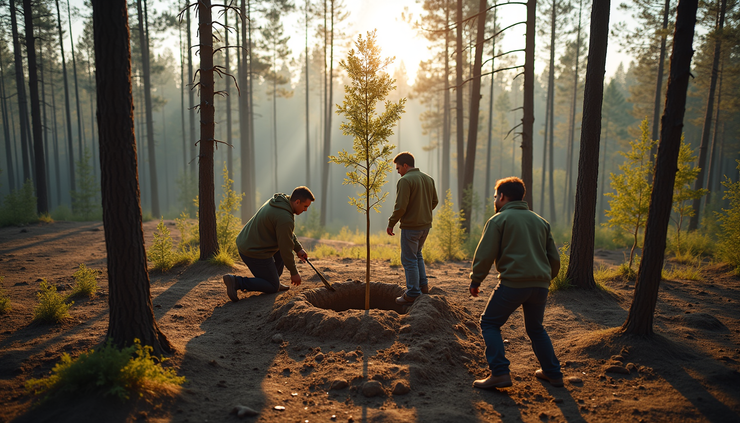
Replanting trees and vegetation to stabilize soil and reduce erosion
Implementing fire mitigation strategies like controlled burns and defensible space around homes
Monitoring water quality and wildlife recovery
How Communities Can Work Together to Rebuild
Recovery is a community effort. Local governments, nonprofits, businesses, and residents all play a role in rebuilding Aspen Acres and nearby towns. Here are some ways communities can come together:
Forming recovery committees to coordinate rebuilding efforts and communicate updates
Engaging local contractors and suppliers to boost the economy and speed repairs
Organizing volunteer groups for cleanup, rebuilding, and environmental restoration
Hosting public meetings to gather input and keep residents informed
Partnering with state and federal agencies to access resources and expertise
By working collaboratively, communities can rebuild not only structures but also trust and resilience.
Preparing for Future Wildfires
Rebuilding offers a chance to improve safety and reduce future risks. Some important steps include:
Using fire-resistant building materials and designs
Creating defensible space by clearing brush and maintaining landscaping
Installing early warning systems and evacuation plans
Educating residents on fire safety and prevention
These measures help protect lives and property, making communities stronger against future wildfires.


Comments