The Crucial Role of Recycling in Protecting Our Planet
Recycling is not just a buzzword; it is a vital practice that helps reduce waste, conserve natural resources, and protect the environment. Every year, millions of tons of waste end up in landfills or oceans, causing pollution and harming wildlife. Recycling offers a practical way to turn waste into valuable materials, reducing the strain on our planet’s ecosystems. This post explores why recycling matters, how it benefits the environment, and what individuals can do to make a difference.

How Recycling Reduces Waste and Pollution
One of the most direct benefits of recycling is the reduction of waste sent to landfills and incinerators. Landfills produce harmful greenhouse gases such as methane, which contribute to climate change. When materials like paper, plastic, and metal are recycled, they avoid becoming landfill waste, cutting down on pollution.
Recycling also reduces the need to extract raw materials. Mining for metals or cutting down trees for paper causes habitat destruction and pollution. Recycling materials means fewer natural resources are taken from the earth, preserving ecosystems and biodiversity.
For example, recycling one ton of paper saves about 17 trees and 7,000 gallons of water. Recycling aluminum cans saves 95% of the energy needed to make new ones from raw materials. These savings translate into less air and water pollution, protecting both human health and wildlife.
The Energy Savings from Recycling
Producing goods from recycled materials uses significantly less energy than manufacturing from virgin resources. This energy saving lowers carbon emissions, which helps slow global warming.
Recycling aluminum saves up to 95% of the energy compared to producing new aluminum.
Recycling plastic reduces energy use by about 70% compared to making new plastic.
Recycling glass saves around 30% of the energy needed for new glass production.
These energy savings add up when millions of people recycle regularly. By conserving energy, recycling supports cleaner air and a more stable climate.
Economic Benefits of Recycling
Recycling also creates jobs and supports the economy. The recycling industry employs millions worldwide in collection, processing, and manufacturing. These jobs often provide local employment opportunities and contribute to economic growth.
Communities that invest in recycling programs can reduce waste management costs. Recycling reduces the volume of trash that needs expensive disposal, saving money for cities and taxpayers.
Businesses benefit too. Using recycled materials can lower production costs and reduce dependence on fluctuating raw material prices. This can make products more affordable and sustainable.
How Individuals Can Make a Difference
Everyone can contribute to recycling efforts with simple actions:
Separate recyclables from trash at home and work.
Rinse containers to avoid contamination.
Learn local recycling rules to know what can be recycled.
Reduce single-use plastics by choosing reusable items.
Support products made from recycled materials.
Small changes in daily habits add up to big environmental benefits. For example, if every American recycled just one-tenth of their newspapers, it would save about 25 million trees each year.
Challenges and How to Overcome Them
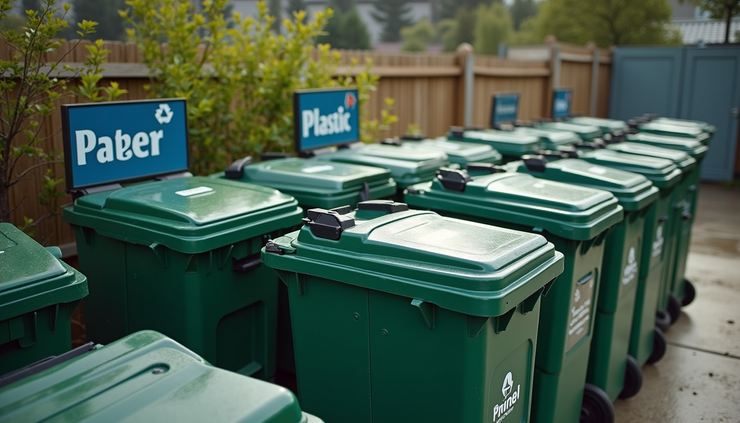
Recycling faces challenges such as contamination, lack of awareness, and limited facilities in some areas. Contaminated recyclables can spoil entire batches, making them unusable. Education and clear labeling help reduce contamination.
Expanding recycling infrastructure and making it convenient encourages participation. Some cities offer curbside pickup, while others provide drop-off centers. Governments and organizations can promote recycling through campaigns and incentives.
Consumers can also push for better recycling by choosing products with recyclable packaging and supporting companies committed to sustainability.
The Bigger Picture: Recycling and Climate Action
Recycling is a key part of broader efforts to combat climate change. By reducing waste, conserving resources, and saving energy, recycling lowers greenhouse gas emissions. It complements other actions like reducing energy use, switching to renewable power, and protecting forests.
Protecting the planet requires collective effort. Recycling empowers individuals and communities to take meaningful steps toward a healthier environment.
Recycling plays a crucial role in protecting our planet by reducing waste, saving energy, and supporting the economy. It helps conserve natural resources and lowers pollution, making it an essential practice for a sustainable future. By understanding its benefits and overcoming challenges, everyone can contribute to a cleaner, greener world. Start recycling today and encourage others to join in—small actions lead to big change.


Comments